

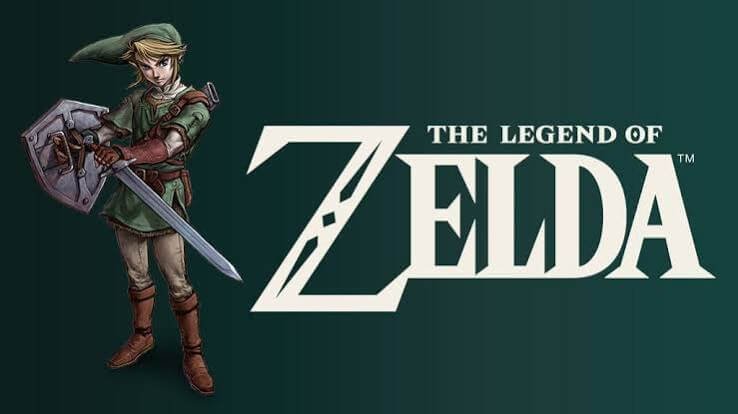
Following up Breath of the Wild—a game widely regarded as one of the greatest of all time—should have been an impossible task. Instead of playing it safe, Nintendo doubled down, handing players an entirely new toolkit and asking a simple but audacious question: what if the same map could feel completely different the second time around? Tears of the Kingdom answers that question emphatically.
Ultrahand and the Physics Playground
The headline addition is Ultrahand, an ability that lets players fuse objects together to build carts, rafts, flying machines, siege weapons, and contraptions nobody at Nintendo could have fully anticipated. This single mechanic transforms Hyrule from a place you explore into a place you engineer. Need to cross a chasm? Build a bridge, or a glider, or a catapult that launches you across. The game rarely tells you which solution is correct, and that openness is the entire point. Combined with Fuse, which lets you attach materials to weapons and shields for improvised damage boosts, combat and traversal both become expressions of creativity rather than fixed systems.

A Map That Grows Instead of Repeats
Rather than simply reusing the Breath of the Wild map, Tears of the Kingdom stacks it: the sky islands add a vertical frontier above Hyrule, while the sprawling, shadow-drenched Depths mirror the surface below in an inverted, resource-rich underworld. Caves dot the overworld too, rewarding players who actually stop and look rather than beeline toward waypoints. The three-layer structure means the familiar landscape rarely feels like a retread, and the sense of scale by the midgame is genuinely staggering.
Story and Structure
The narrative is more ambitious than its predecessor’s, weaving Zelda’s fate through the game’s central mystery via memory sequences and geoglyphs scattered across the map. It’s still light on traditional cutscenes and heavy on environmental storytelling, which will please series veterans and mildly frustrate players wanting a more conventional plot. The four regional dungeons finally feel like proper dungeons again, correcting one of the more common complaints about the previous game’s shrine-heavy structure.
Where It Stumbles
Frame rate dips are noticeable during Ultrahand-heavy sequences with complex builds, especially on original Switch hardware, and the sheer number of systems—Fuse, Ultrahand, Ascend, Recall—can feel overwhelming in the opening hours before they click into place. Weapon durability, a contentious point in the last game, remains largely unchanged and will still frustrate players who dislike watching their favorite weapon shatter mid-fight.
Verdict
Tears of the Kingdom is proof that a sequel doesn’t need a new setting to feel like a new game. By handing players unprecedented creative freedom, Nintendo has built something that rewards curiosity and ingenuity more than almost any open-world game before it.
Score: 9.6/10
- Pros: Ultrahand building system unlocks endless creative solutions; three-layer map dramatically expands scale; stronger dungeons; gorgeous art direction
- Cons: Performance dips during complex builds; weapon durability still divisive; steep early learning curve



Leave a Reply