

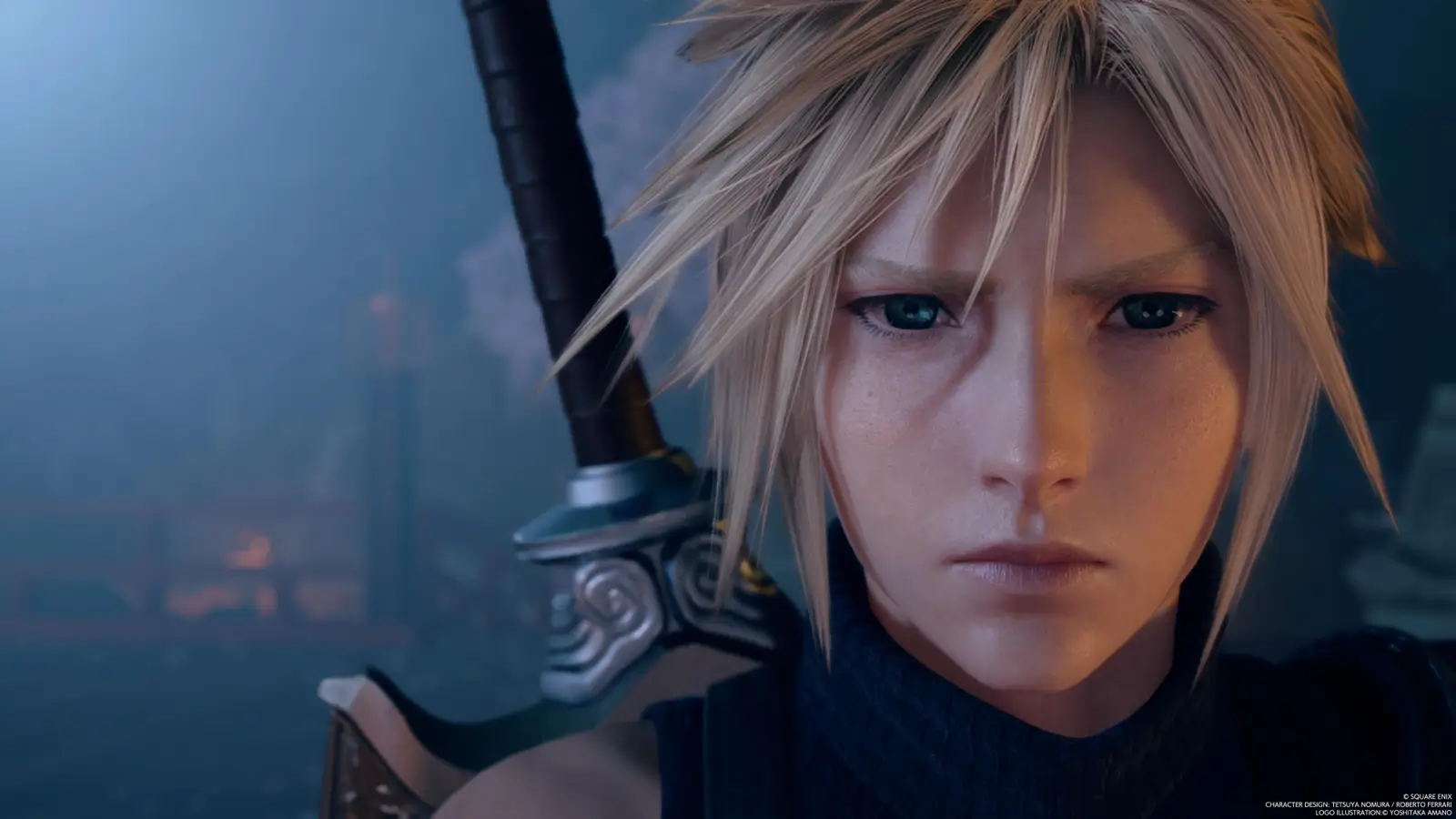
Adapting one of the most beloved RPGs ever made was always going to be a balancing act between reverence and reinvention. Final Fantasy VII Rebirth, the second entry in the remake trilogy, leaves Midgar behind and opens up the wider world of Gaia—and in doing so, becomes both more ambitious and more uneven than its predecessor.
An Open World Full of Life
Rebirth trades Remake’s linear corridors for a series of large, explorable regions, each packed with side quests, mini-games, Chocobo variants, towers to climb, and combat challenges. The scale is genuinely impressive: Junon, the Gold Saucer, and the Corel region are rendered with a level of detail the original 1997 game could only imply through text and low-poly models. For longtime fans, simply walking through these iconic locations in full 3D is a significant emotional payoff on its own.
Combat That Rewards Mastery
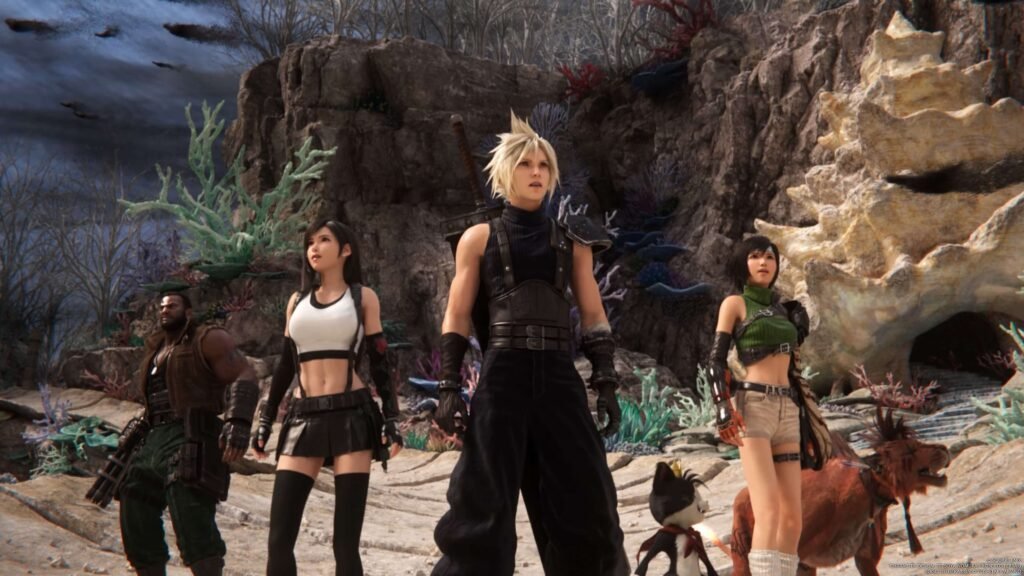
The real-time-with-tactical-pause combat system returns from Remake and is meaningfully expanded. Synergy abilities let party members combine attacks for powerful team-up moves, and the expanded materia and weapon upgrade systems give players real room to specialize. Boss fights are the highlight—multi-phase encounters that demand you actually understand each character’s kit rather than button-mash through them. The addition of playable side characters like Cait Sith adds welcome variety to the roster.
Story Liberties, For Better and Worse
Rebirth continues Remake’s approach of expanding on the original’s story rather than retelling it beat for beat, introducing new mysteries around the antagonist Sephiroth and the nature of fate itself. Longtime fans will find plenty to theorize about, though the added complexity occasionally muddies a narrative that was, in 1997, more direct and devastating in its simplicity. The character writing remains excellent, particularly Aerith, whose arc carries the same weight it always has—if not more.
Where It Stumbles
The sheer volume of side content, while impressive, occasionally overstays its welcome; some regions feel padded with repetitive tower-unlock activities that echo open-world design tropes the genre has otherwise moved past. Pacing suffers in the middle third as a result, and a few mini-games feel more like tech demos than fully realized diversions.
Verdict
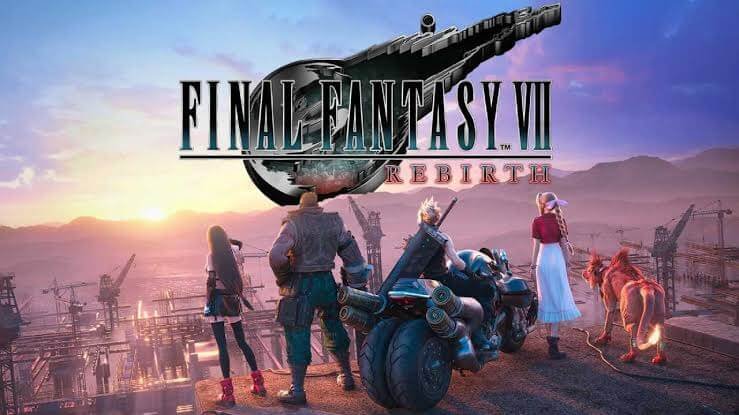
Final Fantasy VII Rebirth is a lavish, occasionally overstuffed love letter to one of gaming’s most iconic stories. Its highs—spectacular boss fights, gorgeous environments, and faithful yet expanded character moments—outweigh its padding, making it a worthy, if imperfect, middle chapter.
Score: 8.9/10
- Pros: Gorgeous, detailed open regions; deep, satisfying combat and materia systems; faithful character writing with meaningful expansion
- Cons: Side content padding slows pacing; new story threads add complexity without always adding clarity



Leave a Reply